Burst pipe water damage in Florida: what to do
The first steps after a pipe bursts, why pipes fail in Florida homes, and how drying and insurance deadlines work. A 24/7 line to reach a local company.
When a pipe bursts, the first hour matters most: stop the water, stay safe around electricity and document the damage before cleanup starts. This guide covers what to do, why pipes fail in Florida homes, how fast things need to dry, and how Florida insurance rules affect a burst pipe claim.
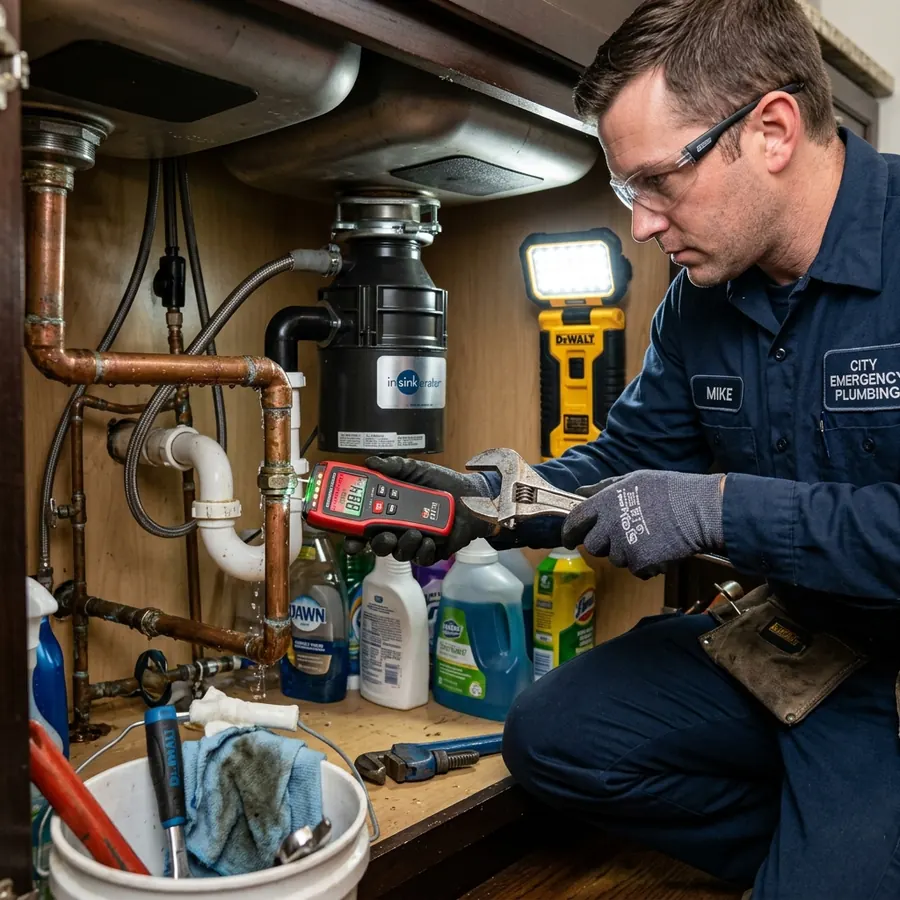
What to do in the first hour after a pipe bursts
- Shut off the water. Close the valve under the sink, toilet or behind the washer if the leak is at a fixture. Otherwise close the main shut-off, which in many Florida homes is outside near the meter or where the line enters the house. If you can't find it, or the leak is on the street side of the meter, call your water utility; the number is on your bill. Our water shut-off guide shows where to look in a house or condo and how to close each type of valve.
- Stay clear of wet electrical equipment. The Electrical Safety Foundation advises keeping out of flooded areas until the utility confirms the power is off, never touching electrical equipment that has been under water, and having anything exposed to water inspected by a qualified professional before it's used again (ESFI).
- Take photos and video before you move things. Florida's Department of Financial Services (DFS) says to photograph or video the damage before and after repairs, list damaged items with product details, and throw items away only if they are a health risk (Florida DFS claim guide).
- Prevent more damage and report the claim. DFS also says to make temporary repairs, keep the receipts, and report the claim to your insurer right away.
- Call a plumber, and a restoration company if water spread. A plumber repairs the pipe. If water soaked flooring, walls or cabinets, water extraction and drying should start as soon as possible. If water reached wood or laminate floors, see drying a wet wood floor. Our 24/7 line can connect you with an independent local company. For a longer checklist, see our emergency steps guide.
Why pipes burst in Florida homes
Freezes in North Florida
Freezes are uncommon in most of the state but do reach North Florida. During a January 2025 cold snap, Leon County urged residents to let outdoor faucets drip slightly overnight "to prevent freezing and bursting" (Leon County, January 20, 2025). Water expands as it freezes, which can break metal or plastic pipes. The American Red Cross says the pipes most at risk are outdoor hose bibs, pool and sprinkler lines, pipes in attics, garages and under cabinets, and pipes along exterior walls with little insulation. Its tips: insulate exposed pipes, open cabinet doors so warm air reaches the plumbing, let cold water drip from faucets on exposed pipes, and keep the heat at 55°F or higher if you leave home. If a faucet only trickles, a pipe may be frozen; warm it with a hair dryer or heating pad, never an open flame, and call a licensed plumber if you can't find or thaw it (American Red Cross).
Polybutylene pipes in older homes
Polybutylene pipe was used heavily in new construction from 1978 to 1995. A plumber interviewed by NBC 6 South Florida said the pipes and fittings were prone to failure, and Citizens Property Insurance told NBC 6 it does not insure properties with polybutylene piping (NBC 6, March 13, 2023). If your home was built in that period and has had leaks, ask a plumber what type of pipe you have.
High water pressure
Most plumbing codes require a pressure-reducing valve when the water supplied to a home is above 80 psi, because higher pressure can rupture pipes and damage fixtures. Keeping pressure at or below 60 psi reduces the chance of leaking pipes, leaking water heaters and burst hoses (U.S. Department of Energy Building America Solution Center). A plumber can test your pressure when they repair the leak.
Hoses, appliance lines and hidden pipes
Washer hoses, toilet and faucet supply lines, ice maker lines and water heaters fail too, and the cleanup is the same. Pipes inside walls or under a concrete slab can leak for a long time before anyone sees water. Watch for these signs:
- Sudden drop in water pressure
- Water bill much higher than normal
- Sound of running water with taps off
- Bulging or wet ceiling or wall
If the leak may be under the floor, see slab leak detection.
Dry everything within 24 to 48 hours
The U.S. Environmental Protection Agency says to dry water-damaged areas and items within 24 to 48 hours to prevent mold growth (EPA, A Brief Guide to Mold, Moisture and Your Home). Its cleanup guidance for clean water damage (EPA mold remediation guide, chapter 4):
- Carpet and backing: remove water with a water extraction vacuum, then use dehumidifiers and fans.
- Drywall: may be dried in place if there's no obvious swelling and the seams are intact. If not, remove and replace it.
- Wood surfaces: remove moisture right away and dry with dehumidifiers, gentle heat and fans.
EPA adds that mold may grow even if materials are dried within 48 hours. A surface can feel dry while the wall cavity or subfloor is still wet; restoration companies use moisture meters to find it and structural drying equipment to dry it. EPA recommends professional help when there's a lot of water damage or mold covers more than about 10 square feet; see mold remediation.
Florida homeowners insurance and burst pipes
Water damage and freezing made up 22.6% of U.S. homeowners insurance claims in 2023, second only to wind and hail, according to ISO/Verisk figures published by the Insurance Information Institute. Points that matter in Florida:
- The 14-day leak exclusion. Nearly all Florida homeowners policies have some form of exclusion for "constant or repeated seepage or leakage of water" over 14 or more days. In Hicks v. American Integrity, Florida's Fifth District Court of Appeal held that the insurer had to prove which damage happened after the 13th day (Marshall Dennehey, June 2018). Report a leak as soon as you find it, and keep anything that shows when it started.
- Claim deadlines. Under Florida law, a new or reopened property claim must be reported to your insurer within 1 year after the date of loss, and a supplemental claim within 18 months (s. 627.70132, Fla. Stat.).
- What to expect. DFS says your insurer should acknowledge the claim within 7 days, and you should get payment for the undisputed amount or a written denial within 60 days of reporting it. Contact your insurer before signing a repair contract, since some policies have managed repair or preferred vendor terms. The DFS consumer helpline is (877) 693-5236 (Florida DFS).
- No assignment of benefits. For residential policies issued on or after January 1, 2023, Florida law generally bars assigning post-loss insurance benefits, for example to a contractor, and treats such an assignment as void (s. 627.7152(13), Fla. Stat.). You stay in charge of your own claim.
Our insurance claim guide covers the process in more detail.
Plumber or restoration company: who to call
- A plumber finds and repairs the failed pipe, fitting or hose and can test water pressure. Call one first if water is still leaking after you close the valve, if you can't find the shut-off, or if a frozen pipe won't thaw.
- A restoration company removes standing water, measures moisture in walls and floors, sets up drying equipment and removes materials that can't be saved. Call one if water soaked carpet, drywall or cabinets, or reached a ceiling below.
Most burst pipes need both. Before you hire anyone, DFS recommends confirming the contractor is licensed in Florida, checking complaints with the Department of Business and Professional Regulation, asking for proof of liability and workers' compensation insurance, and reading contracts carefully.
What affects the cost of burst pipe cleanup
No one can give an honest price before seeing the damage, but these factors drive the estimate:
- How long the water ran. A leak caught in minutes wets one room; one that ran overnight can reach several rooms or the floor below.
- Where the pipe is. A pipe in a wall, ceiling or under a slab may need detection work and opening up finished surfaces.
- What got wet. Wet drywall, insulation, baseboards, cabinets and wood flooring add removal and rebuild work.
- How fast drying starts. Materials dried within the 24 to 48 hour window are more likely to be saved.
Try our cost and drying calculator for a rough range, then get a written, itemized estimate before work starts.
Where we connect Florida homeowners
Independent companies in our network serve every part of the state, including South Florida, Tampa Bay, Central Florida, Northeast Florida, Southwest Florida, Space and Treasure Coast, Florida Panhandle, Florida Keys.
- Water damage help in Miami
- Water damage help in Tampa
- Water damage help in Orlando
- Water damage help in Jacksonville
- Water damage help in Fort Lauderdale
- Water damage help in St. Petersburg
- Water damage help in Naples
- Water damage help in Fort Myers
- Water damage help in Sarasota
- Water damage help in West Palm Beach
- Water damage help in Tallahassee
- Water damage help in Pensacola
Burst pipe questions
What should I do first when a pipe bursts?
Shut off the water, stay away from wet outlets and appliances, and photograph the damage before moving things. Then report the claim and call a plumber, plus a restoration company if water spread.
Where is my main water shut-off?
In many Florida homes it's outside, near the meter or where the line enters the house, often in a small box in the ground or on an outside wall. If you can't find it, call your water utility.
Does Florida homeowners insurance cover a burst pipe?
It depends on your policy. Nearly all Florida homeowners policies exclude constant or repeated leakage over 14 or more days in some form, so report damage promptly and keep records of when the leak started.
How long do I have to file a water damage claim in Florida?
Under section 627.70132 of the Florida Statutes, a new or reopened claim must be reported within 1 year after the date of loss, and a supplemental claim within 18 months.
How fast does a wet home need to dry to prevent mold?
The EPA says to dry water-damaged areas and items within 24 to 48 hours to prevent mold growth. Water hidden in walls and under floors often stays wet longer than it looks.
Can pipes freeze and burst in Florida?
Yes, mainly in North Florida during cold snaps. Pipes in attics, garages, under cabinets, along exterior walls and outdoor hose bibs are most at risk.
Will insurers cover a home with polybutylene pipes?
Some won't. Citizens Property Insurance told NBC 6 South Florida in 2023 that it does not insure properties with polybutylene piping, which was widely used from 1978 to 1995.
Should I call a plumber or a restoration company first?
Stop the water first, then call both. A plumber fixes the pipe; a restoration company removes water and dries the home. Our line can connect you with a local company that can help.
How does this service work?
We're a referral service. Your call goes to an independent provider serving your area, sometimes through a call partner, and we may be paid for the referral. You agree on the work and price directly with the provider.
Who will come to my home?
An independent, local water damage restoration or plumbing company that serves your area. Ask them about their Florida licensing, insurance and certifications (such as IICRC) when you talk.
Do you do the restoration work yourselves?
No. We don't employ crews or own equipment. We connect you with independent local companies.
Get burst pipe and plumbing leaks help now.
Call now. We'll connect you with a local Florida company that can help.